Polished Concrete Bendigo: Ground And Polished Floors For Homes, Alfresco Areas And Commercial Sites
Polished concrete has become one of the most sought-after floor finishes in Bendigo, and the reasons are practical: it is hard-wearing, low-maintenance, easy to keep clean, and it gives a home or business a sleek contemporary look with real depth. Peak Concreting Bendigo grinds and polishes floors for new homes, extensions, renovations, retail spaces, offices and warehouses, working on existing slabs as readily as on fresh pours. The level of aggregate exposure is chosen on site, from a subtle cream finish through salt and pepper to a full stone look, along with the gloss level, from low-sheen matte to a mirror polish. Twelve years of decorative concrete work across the region keeps the grind even, the finish consistent and the surface properly densified and sealed against marks and stains. Sample panels are ground on the actual slab before anything is committed, because the stone in that pour decides the result. Every floor comes with a fixed written quote. Call 0485 072 026 for a free assessment.
GET A FREE QUOTE
Peak Concreting Bendigo
Polished Concrete Floors And Flooring For Bendigo Homes
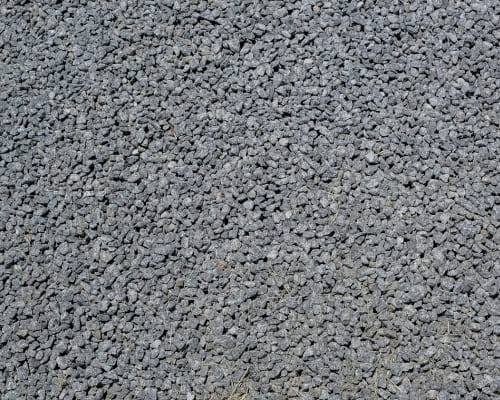
Polished concrete flooring has moved from warehouse floor to the finish of choice in new Bendigo homes, extensions and renovations, because one slab does the work of a structural floor and a floor covering at the same time. There is no underlay, no grout, nothing to lift and nothing to replace in ten years.
Open-plan living areas
An open-plan kitchen, living and dining area is where polished concrete floors earn their reputation. A single uninterrupted surface runs through the whole space with no thresholds or transition strips, it carries underfloor heating efficiently because concrete stores and releases warmth slowly, and north-facing glass gives back light rather than absorbing it. Dust and allergens have nowhere to settle, which is why it is a common specification in households with asthma.
Garage, shed and workshop floors
A garage slab is the cheapest place to find out whether the finish suits a property, since it is already bare concrete. Grinding and sealing a garage floor stops the dusting that bare concrete produces, makes oil and fuel wipe off rather than soak in, and brightens a space that is usually poorly lit. Workshop floors take the same treatment with a harder densifier where trolleys and jacks are in constant use.
Renovations over an existing slab
Polishing an existing slab is a different job from polishing a new pour. Old floor coverings, adhesive, tile beds and paint all have to come off first, and what the slab looks like underneath is unknown until it is ground back, which is why an existing-slab job is quoted with a stated grind level rather than a guaranteed appearance. Patching, old saw cuts and previous repairs usually stay visible and become part of the character of the floor.
What the finish actually looks like
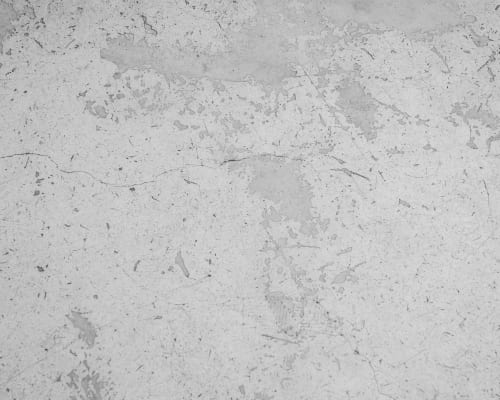
The look is decided by how deep the grinding goes, not by polish alone. A shallow cut leaves a cream finish with almost no stone showing, a medium cut gives the speckled salt-and-pepper look most Bendigo homes choose, and a deep cut fully exposes the aggregate for a terrazzo-like surface. Sample panels are ground on the actual slab before committing, because the stone in that slab is what determines the result.
Peak Concreting Bendigo
Concrete Grinding And Polishing: Grind Levels, Gloss Levels And How A Slab Gets There
Grinding and polishing is a mechanical process rather than a coating. Diamond-segmented discs cut the surface progressively finer until the concrete itself becomes reflective, so the finish is the slab, not something sitting on top of it that can peel.
Grind level: how much stone is exposed
The first and most consequential decision is depth of cut. A cream or burnished cut stays in the top paste layer and shows little or no aggregate. A salt-and-pepper cut goes a few millimetres deeper and reveals the sand and the tips of the stone. A full exposure cut goes deeper again and brings the whole aggregate face up. Deeper cuts take more passes and more diamond consumables, which is why grind level moves the price as much as it moves the look.
Gloss level: matte through to mirror
Once the grind level is set, successive finer diamond grits take the surface from matte, through satin and semi-gloss, to a high-gloss mirror finish. Matte hides dust and foot traffic and suits a busy household; high gloss reads as more dramatic and shows more. Gloss is independent of grind level, so a cream matte and a full-aggregate high gloss are both available.
Densifying and sealing
Partway through the grit sequence a chemical densifier is applied. It reacts with the free lime in the concrete to harden the surface from within, which is what makes a polished floor abrasion-resistant rather than merely shiny. A penetrating sealer follows to resist staining from oil, wine and acidic spills. Neither forms a film, so there is no coating to flake.
Concrete polishers working across Bendigo and district
Grinders run with vacuum extraction so the work is close to dust-free and can proceed inside an occupied building. A typical residential floor runs over several days depending on area and grind level, and the floor is walkable almost immediately after the final pass because nothing has to cure. Peak Concreting Bendigo polishes floors throughout Bendigo and the surrounding district, including Eaglehawk, Kangaroo Flat, Golden Square, Strathfieldsaye, Epsom, Maiden Gully and Junortoun, so there is no travel loading on a job inside that radius and sample panels can be ground before a quote rather than after it.
Peak Concreting Bendigo
Polished Concrete Alfresco, Patio And Outdoor Areas
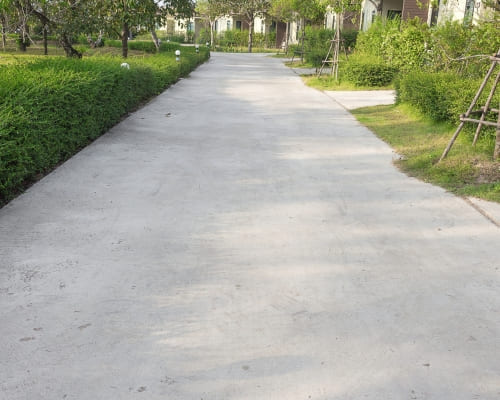
Alfresco areas, patios and covered outdoor rooms are among the most requested polished concrete jobs in Bendigo, and they are specified differently from an internal floor for one reason: water.
Why an outdoor polish is not an indoor polish
A high-gloss finish that is beautiful in a living room is dangerous when wet. Outdoor work is therefore taken to a matte or low-satin level, or given a honed finish instead, which keeps the ground stone appearance while retaining grip underfoot. Where an alfresco runs out to an uncovered section, the exposed part is often specified with more texture again.
Alfresco and covered outdoor rooms
A covered alfresco is the easiest outdoor case, sheltered from direct rain and UV and usually continuous with an internal floor. Running the same grind level inside and out, with the slab poured in one piece or with a well-detailed joint, makes the indoor space read as larger. This is the most common reason the finish gets chosen for a Bendigo extension.
Patios, courtyards and entertaining areas
Open patios and courtyards take full sun and seasonal movement, so joint placement matters more than the finish. Control joints are set out deliberately as part of the pattern rather than cut wherever is convenient, and the surface is sealed with a product rated for exterior use and ultraviolet exposure.
Pool surrounds
Around a pool, slip resistance governs everything and a polished finish is usually the wrong answer. A honed concrete surface gives the same exposed-stone appearance with far more grip, which is why honing rather than polishing is normally recommended for pool surrounds and wet areas.
Peak Concreting Bendigo
Commercial And Industrial Concrete Grinding In Bendigo
Commercial and industrial floors are where grinding and polishing started, and the specification is driven by traffic and maintenance cost rather than appearance.
Warehouses and industrial floors
A warehouse floor takes forklift and pallet-jack traffic all day. Grinding levels out the surface, densifying hardens it against abrasion, and the result cuts the dusting that contaminates stock and wears bearings. Because there is no coating, there is nothing to delaminate under wheel load, which is the common failure of an epoxy floor in the same setting.
Retail, hospitality and offices
Shops, cafes and offices choose it for appearance and for cleaning cost. A single seamless surface with no grout lines is mopped rather than scrubbed, and it tolerates the chair and trolley traffic that lifts vinyl. Work is normally staged overnight or across a shutdown so trading is not interrupted.
Grinding an existing commercial slab
Most commercial jobs are existing slabs rather than new pours, which means removing old coverings first: carpet and adhesive, vinyl, tile beds, epoxy or paint. That removal is a significant part of the programme and is quoted separately from the polishing, because what is under an old floor is rarely known until it comes up.
Remedial grinding without a full polish
Not every commercial slab needs polishing. Grinding alone will take out trowel ridges, level a lipped joint, remove a coating or flatten a slab ahead of a new floor covering. Commercial concrete grinding in Bendigo is quoted as its own job on that basis, with no polishing stage at all.
Peak Concreting Bendigo
What Polished Concrete Bendigo Costs Per Square Metre
Polished concrete Bendigo work is priced per square metre, and the range is wide because grind level, gloss level, slab condition and area all move it. The figures below are indicative for the Bendigo area; a written quote replaces them with a fixed price after the slab is seen.
Indicative ranges
A straightforward polish on a sound new slab generally falls between around $80 and $150 per square metre. A full-aggregate exposure to a high gloss sits toward the upper end and beyond. An existing slab needing coverings and adhesive removed carries that preparation on top. Remedial grinding with no polishing stage is the cheapest option of all and is priced per square metre of its own.
What moves the price
Grind level is the biggest single factor, because every extra pass is machine time and diamond consumables. Slab condition is next: a flat, sound, uncoated slab is far quicker than one with adhesive, paint or significant lipping. Area matters, since set-up and machine transport are fixed costs spread across the job, so a small laundry costs much more per square metre than an open-plan living area. Access is the last, because grinders and extraction units have to reach the floor.
Measured against other floor finishes
The first cost sits above vinyl and most tiling and below good timber or natural stone. The difference shows later. There is no covering to replace, no grout to regrout, no boards to resand, and the structural floor and the finished floor are the same object, so a floor covering budget is removed from the build entirely. On a long enough view it is usually the cheapest hard floor in the house.
Peak Concreting Bendigo grinds sample panels on the actual slab before quoting, because the stone in that slab decides the result. Call 0485 072 026.
TESTIMONIALS
What Our Polished Concrete Customers Say About Us
The Process
3 Step Process For Your Polished Concrete Needs

Free Quote
A call or a form message starts it. A site visit follows to measure up, check access and assess the ground or the existing slab, and a fixed written price comes back with the scope spelled out.

Preparation
Preparation is matched to the job quoted: excavating and compacting a base and setting formwork and steel for a new pour, or grinding, cleaning and priming the surface where the work goes over concrete already in the ground.

Finish And Clean-Up
The chosen finish is worked and then protected, with joints cut and curing managed on a new pour or the surface sealed on an overlay or polish, and the site left clean and ready to use.
Polished Concrete In Bendigo
FREQUENTLY ASKED QUESTIONS
Everything you need to know about our Polished Concrete In Bendigo
How much does polished concrete cost in Bendigo?
As an indicative guide, a straightforward polish on a sound new slab generally runs between around $80 and $150 per square metre in the Bendigo area, with a full-aggregate exposure to a high gloss sitting above that. An existing slab carries the cost of stripping old coverings and adhesive on top, and remedial grinding with no polishing stage is cheaper again. Grind level is the biggest driver, followed by slab condition, the size of the area and access for the machines. Small areas cost more per square metre than large open ones because set-up is a fixed cost. A fixed written quote follows an on-site look. Call 0485 072 026.
Can an existing concrete slab be ground and polished?
Usually yes, and it is one of the most common jobs. Old carpet, vinyl, tiles, adhesive, paint or epoxy all have to be removed first, and that removal is quoted separately because what sits under an old floor covering is rarely known in advance. Once the slab is exposed it is assessed for cracking, patching, old saw cuts and lipping. An existing slab is quoted to a stated grind level rather than to a guaranteed appearance, since the aggregate in that particular pour decides the look. Previous patches and repairs generally stay visible and become part of the floor's character. Call 0485 072 026.
What is the difference between polished and honed concrete?
Both are ground with diamond tooling to expose the stone, and the difference is where the grinding stops. Polishing continues through progressively finer grits until the surface itself becomes reflective, giving a satin to mirror finish. Honing stops earlier, leaving a flat matte surface with the stone exposed but no shine. The practical consequence is grip: a honed surface keeps traction when wet, so it is the right choice for pool surrounds, outdoor areas and anywhere water is expected, while polishing suits internal floors. Appearance is otherwise very similar. Details of the matte option are on the honed concrete page. Call 0485 072 026.
Is polished concrete slippery?
Dry, no, a polished floor has comparable grip to tiles or timber. Wet is a different matter, and a high-gloss polish does become slippery, which is why gloss level is chosen around where the floor is. Internal living areas take a satin or high gloss safely. Bathrooms, laundries, entries, alfresco areas and anywhere near a pool are specified matte or honed instead, and an anti-slip additive can be worked into the sealer where extra traction is needed. Matching the finish to the room is part of quoting rather than an afterthought. Call 0485 072 026.
How is a polished concrete floor maintained?
Very simply, which is a large part of its appeal. Routine care is sweeping or vacuuming to lift grit, which is the only thing that will dull the surface, and damp mopping with a pH-neutral cleaner. Acidic cleaners, bleach and generic supermarket floor products should be avoided because they etch the surface over time. There is no grout to scrub, no sealing coat to strip and recoat, and no boards to resand. The penetrating sealer is topped up every few years in high-traffic areas, and a worn floor can be re-polished rather than replaced. Call 0485 072 026.
Does polished concrete crack?
The polish does not crack, but the slab beneath it can, because polishing is a surface treatment and the concrete underneath behaves like any other slab. Shrinkage cracking and control-joint movement are normal in concrete and show through a polished finish as they would through bare concrete. Many owners regard fine cracking as part of the character of the floor, and joints can be filled with a matching flexible filler during the grinding sequence so they read as a deliberate line. Correct base preparation, reinforcement and joint spacing at pour stage are what keep cracking to a minimum. Call 0485 072 026.
Request A Free Polished Concrete Quote
GET A FREE QUOTE
BUSINESS
SERVICES
OPERATING HOURS
Sun: 6:00am - 10:00pm
Mon: 6:00am - 10:00pm
Tue: 6:00am - 10:00pm
Wed: 6:00am - 10:00pm
Thu: 6:00am - 10:00pm
Fri: 6:00am - 10:00pm
Sat: 6:00am - 10:00pm