Exposed Aggregate Concrete Bendigo: Driveways, Pool Surrounds And Alfresco Areas In Washed Stone
Exposed aggregate is the most popular decorative concrete finish in Bendigo, and the reasons are practical: it looks the part, it grips underfoot, and it wears far better than a smooth slab because traffic runs on hard stone faces rather than on the soft cement paste that scuffs and dusts. Peak Concreting Bendigo lays exposed aggregate driveways, paths, pool surrounds and alfresco areas, washing back the surface at the right moment to reveal the natural stone in the mix. Twelve years of laying it across the region is what gets the reveal even, the wash timed so the stone sits proud without loosening, and the seal right so the colour stays rich. The finish is only ever as good as the slab beneath it, so every job is built on a compacted base with chaired reinforcement and control joints set out as part of the design. Stone blends and sizes are shown on site against the house, because aggregate reads very differently in daylight. Every job is quoted in writing. Call 0485 072 026.
GET A FREE QUOTE
Peak Concreting Bendigo
Exposed Aggregate Driveways In Bendigo
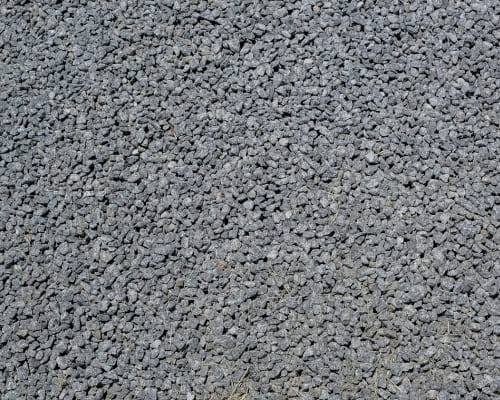
The driveway is where most exposed aggregate in Bendigo ends up, and it is the application the finish suits best. A washed-stone surface has real grip on a sloped drive, it hides the dust and tyre marks that show on plain grey, and the stone face wears far better under turning wheels than a troweled paste surface does.
Why it outperforms plain concrete on a driveway
On plain concrete the top few millimetres are cement paste, the softest part of the slab, and that is the layer that scuffs, dusts and scales. Exposing the aggregate removes it and leaves the hard stone faces carrying the traffic. The texture also gives measurable grip when wet, which matters on the steeper driveways common around Quarry Hill and Spring Gully.
Build specification under the finish
The finish is only ever as good as the slab beneath it. A residential exposed aggregate driveway is poured at 100mm on 100mm of compacted crushed rock, with SL72 mesh chaired into the middle third and control joints at roughly 2.5 to 3 metres. Where a caravan or truck uses the drive, thickness and mesh step up. Full construction detail sits on the concrete driveways page.
Joints, edges and the crossover
Control joints are set out as part of the design rather than cut wherever convenient, because on a decorative surface a joint line is visible and a crack is unforgivable. Edges are formed and washed carefully, since a sloppy edge is the first thing noticed from the street. Where the job runs over the crossover, consent from the City of Greater Bendigo is required and is handled as part of the work.
Matching an existing driveway
Extending or part-replacing an existing exposed aggregate drive rarely produces an invisible join, because the original stone blend, the reveal depth and years of weathering cannot be reproduced exactly. The honest options are to match as closely as the available stone allows and place the join on a deliberate joint line, or to relay the whole area to one finish. Both are priced so the choice can be made on cost.
Peak Concreting Bendigo
Pool Surrounds, Alfresco And Entertaining Areas In Exposed Aggregate
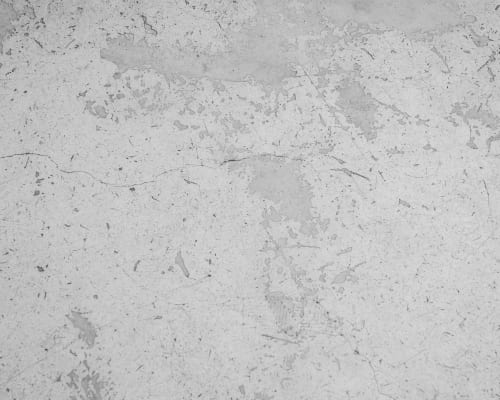
Away from the driveway, exposed aggregate is chosen for the areas where people walk barefoot and sit down, and the reason is the same one that makes it good on a drive: texture.
Pool surrounds
A pool surround has to stay safe when wet, stay comfortable underfoot in a Bendigo summer, and resist pool chemicals. Exposed aggregate handles all three, which is why it is the most common pool surround finish in the region. Lighter stone blends reflect heat and stay noticeably cooler than charcoal, which matters on a January afternoon. The surface is sealed with a product rated for chlorinated and salt water, and falls are set so splash-out runs to drainage rather than back into the pool.
Alfresco and entertaining areas
A covered alfresco takes less weathering than open ground and can run a finer stone blend for a more refined look. Where an alfresco continues out to an open patio, the same blend is usually carried through so the spaces read as one, with the joint placed where a wall or post line already breaks the surface.
Paths, courtyards and entries
Front paths and entries are the smallest areas and often the most visible, so stone choice is made against the house rather than against the driveway. A path is also where a finer blend works, since smaller stone sits more comfortably underfoot than a coarse 14mm or 20mm mix.
Where honed is the better answer
Exposed aggregate has texture by design, and texture collects dirt in a sheltered spot and can feel rough on a patio used barefoot. Where the stone look is wanted but a flatter, smoother surface suits better, a honed concrete finish grinds the cured slab flat to expose the same stone without the open texture. Samples of both are shown side by side before a choice is made.
Peak Concreting Bendigo
Stone Blends And Colours: Choosing The Aggregate
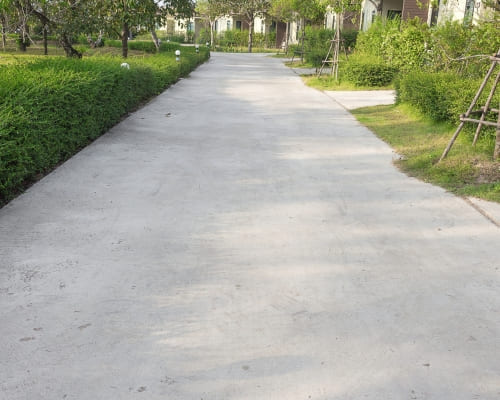
The stone is the finish. Two driveways poured on the same day with the same method look completely different depending on the aggregate in the mix, so the blend is chosen on site from samples rather than from a photograph.
Stone size and how it changes the look
Aggregate is supplied in nominal sizes, commonly 7mm, 10mm, 14mm and 20mm. Smaller stone gives a tighter, finer, more uniform surface that suits paths, entries and alfresco areas and is more comfortable underfoot. Larger stone gives a bolder, more textured result with more individual character, and it reads better over the wide area of a driveway where fine stone can look flat from a distance.
Colour blends
Blends run from pale quartz and granite mixes through warm golds, browns and reds to charcoal and near-black basalt. Bendigo's heritage brick and sandstone streetscapes tend to sit well with warm gold and red-brown blends, while rendered contemporary homes usually take charcoal or a grey-and-white mix. Colour can also be added to the surrounding cement paste to deepen or lift the overall tone, which changes the result as much as the stone does.
Pea gravel and pebble finishes
Exposed pea gravel is a rounded river-stone blend rather than a crushed one, giving a softer and more organic surface with no sharp faces. It suits paths, garden edges and pool surrounds where bare feet are expected, and it is noticeably gentler underfoot than a crushed basalt mix of the same size.
Seeing it before committing
Sample boards are shown on site and, wherever possible, against the house and the existing paving, because stone colour reads completely differently in direct Bendigo sun against red brick than it does on a trade counter under fluorescent light. Nearby completed jobs can usually be pointed out as well.
Peak Concreting Bendigo
How Exposed Aggregate Is Laid, Washed Back, Sealed And Maintained
Exposed aggregate is not a coating applied afterwards. The stone is in the concrete from the start, and the finish is created by removing the cement paste covering it at exactly the right moment. Timing is the whole skill.
Pour and initial finish
The slab is poured, screeded and floated like any other, onto its prepared base with the reinforcement chaired. Where a seeded method is used instead of a through-mix, the selected stone is broadcast across the surface and worked in before the concrete stiffens.
Retarder and the wash-back window
A surface retarder is sprayed on to hold back the curing of the top paste layer only, while the slab beneath sets normally. The slab is then left for a period that depends on temperature, humidity, wind and the mix, and the wash-back window has to be judged rather than read off a clock. Too early and the stone is washed loose, leaving pits and a patchy reveal. Too late and the paste has hardened and will not come away evenly. A hot windy Bendigo afternoon can shorten that window dramatically, which is why these pours are timed around the forecast.
Washing back and reveal depth
The surface is then pressure-washed and brushed to carry the softened paste away and bring the stone faces up. How far the wash goes sets the reveal depth: a light reveal shows just the tops of the stone, a deep reveal exposes the stone almost fully and reads much coarser. Consistency across the whole area is what separates a good job from a blotchy one, and it comes from working at an even rate rather than from the equipment.
Sealing, resealing and upkeep
Once cured, the surface is sealed. A penetrating or film-forming sealer locks the stone in place, stops the surface shedding loose grit, deepens the colour and makes oil and leaf stains far easier to lift. Sealer is the maintenance item: it breaks down under ultraviolet light and traffic, so a driveway is typically resealed every three to five years and a sheltered alfresco less often. Day to day the surface wants nothing more than a hose or a gentle pressure wash and an occasional broom. Harsh acid cleaners strip the sealer and should be avoided.
Peak Concreting Bendigo
Exposed Aggregate Concrete Bendigo Cost Per Square Metre
Exposed aggregate concrete Bendigo work is priced per square metre, and it sits above plain concrete because the mix costs more, the pour takes longer and the wash-back and sealing are extra stages. The figures below are indicative for the Bendigo area; a written quote on site replaces them with a fixed price.
Indicative cost per square metre
Exposed aggregate typically runs from around $120 to $170 per square metre for a standard residential job, against roughly $85 to $120 for a plain or broom-finished slab. A premium or imported stone blend, a deep reveal, a small or awkward area, or a thicker slab for heavy vehicles all push toward and past the top of that range.
What moves the price
Stone selection is the largest single variable, and the gap between a standard local blend and a premium imported one is substantial. After that: excavation depth and spoil removal, slab thickness and mesh weight, the total area, since set-up and the concrete truck are fixed costs spread across it, access for the truck and the pressure washer, demolition of an existing surface, and whether a crossover is involved.
Measured against the alternatives
Against plain concrete, exposed aggregate costs more up front and avoids the scuffing and dusting that makes a plain driveway look tired early. Against pavers, it is usually comparable or cheaper to lay and has no joints for weeds or ants and no individual units to sink. Against asphalt it is dearer at the outset and much longer-lived.
Peak Concreting Bendigo quotes every exposed aggregate job in writing on site, itemised down to slab thickness, base depth, stone blend and sealing, so quotes can be compared properly rather than on a single number. Call 0485 072 026.
TESTIMONIALS
What Our Exposed Aggregate Concrete Customers Say About Us
The Process
3 Step Process For Your Exposed Aggregate Concrete Needs

Free Quote
A call or a form message starts it. A site visit follows to measure up, check access and assess the ground or the existing slab, and a fixed written price comes back with the scope spelled out.

Preparation
Preparation is matched to the job quoted: excavating and compacting a base and setting formwork and steel for a new pour, or grinding, cleaning and priming the surface where the work goes over concrete already in the ground.

Finish And Clean-Up
The chosen finish is worked and then protected, with joints cut and curing managed on a new pour or the surface sealed on an overlay or polish, and the site left clean and ready to use.
Exposed Aggregate Concrete In Bendigo
FREQUENTLY ASKED QUESTIONS
Everything you need to know about our Exposed Aggregate Concrete In Bendigo
How much does exposed aggregate concrete cost in Bendigo?
As an indicative guide, exposed aggregate runs from around $120 to $170 per square metre in the Bendigo area for a standard residential job, against roughly $85 to $120 for plain or broom-finished concrete. Stone selection is the biggest variable, and a premium or imported blend can lift the figure well above that range. Excavation depth and spoil removal, slab thickness and mesh for the loads expected, total area, truck access and any crossover work all move it as well. Small areas cost more per square metre than large ones because set-up is a fixed cost. Every job is quoted in writing on site and itemised. Call 0485 072 026.
Does exposed aggregate need sealing, and how often?
Yes. Sealing locks the stone in place so the surface does not shed loose grit, deepens the colour, and makes oil, leaf tannin and general staining far easier to lift. It is applied once the slab has cured, and it is the one ongoing maintenance item the finish has. Sealer breaks down under ultraviolet light and traffic, so a driveway in full sun is typically resealed every three to five years, while a covered alfresco goes considerably longer. The tell is the colour looking flat and dry and water no longer beading. Acid cleaners strip sealer and should be avoided. Call 0485 072 026.
Is exposed aggregate slippery around a pool?
No, and that is precisely why it is the most common pool surround finish in the region. Exposing the stone leaves a textured surface with real grip underfoot when wet, unlike a smooth troweled or polished slab. Stone choice still matters for comfort rather than safety: a lighter blend reflects heat and stays noticeably cooler on bare feet through a Bendigo summer than charcoal does. The surface is sealed with a product rated for chlorinated and salt water, and falls are set so splash-out runs to drainage rather than back into the pool. Call 0485 072 026.
What stone colours and sizes are available?
Aggregate comes in nominal sizes, commonly 7mm, 10mm, 14mm and 20mm. Smaller stone gives a finer, tighter, more uniform surface that suits paths, entries and alfresco areas and feels better underfoot; larger stone gives a bolder, more textured result that reads better across a driveway. Colours run from pale quartz and granite through warm golds, browns and reds to charcoal and near-black basalt, and a rounded pea gravel blend is available where a softer look is wanted. Colour can also be added to the surrounding paste. Samples are shown on site against the house, because stone reads very differently in daylight. Call 0485 072 026.
How long does exposed aggregate last?
Decades, when the slab beneath it is built properly. The finish itself is more durable than plain concrete because traffic runs on hard stone faces rather than on the soft cement paste layer that scuffs, dusts and scales. What determines lifespan is the slab: a correctly compacted base, the right thickness for the loads, chaired reinforcement and sensible joint spacing. Those are what stop the cracking and settlement that no finish survives. Keeping the sealer current protects appearance rather than structure. On Bendigo's reactive clay, the base is the part worth paying for. Call 0485 072 026.
Can exposed aggregate be laid over an existing concrete slab?
Not as a true exposed aggregate finish, because the stone has to be in the concrete from the start and the look is created by washing back the paste covering it. What can be done over a sound existing slab is a bonded overlay finished to imitate a decorative surface, which is covered on the concrete resurfacing page, or grinding the existing slab to expose whatever stone is already in it, which is honed concrete. Which of the three suits depends on the condition of the slab and the look wanted, and a free on-site assessment gives a straight answer. Call 0485 072 026.
Request A Free Exposed Aggregate Concrete Quote
GET A FREE QUOTE
BUSINESS
SERVICES
OPERATING HOURS
Sun: 6:00am - 10:00pm
Mon: 6:00am - 10:00pm
Tue: 6:00am - 10:00pm
Wed: 6:00am - 10:00pm
Thu: 6:00am - 10:00pm
Fri: 6:00am - 10:00pm
Sat: 6:00am - 10:00pm