
Concrete Sealing Bendigo: Driveways, Exposed Aggregate And Decorative Surfaces Sealed To Last
Bare concrete is porous, and almost every way concrete goes bad starts with something getting into those pores. A sealer stops staining soaking in, stops water entering and popping the surface off in a winter freeze, stops the slab dusting underfoot, and shields pigment from ultraviolet light. Peak Concreting Bendigo seals driveways, paths, exposed aggregate, stamped and coloured surfaces, pool surrounds, alfresco areas and interior floors across the region, choosing the product for the surface rather than using one for everything: penetrating sealers where a natural look and maximum life matter, film-forming sealers where decorative work needs the sheen to read properly, and anti-slip additives anywhere wet or sloped. Surfaces are cleaned, degreased and fully dried first, repairs made good, and the sealer laid in two thin coats rather than one heavy one, because an over-applied film is what blushes white and stays tacky. Control and expansion joints are sealed separately with a flexible sealant over a backing rod. Quoted per square metre, in writing, with the product named. Call 0485 072 026.
GET A FREE QUOTE
Peak Concreting Bendigo
Concrete Sealing Bendigo: What A Sealer Does And When Concrete Needs One
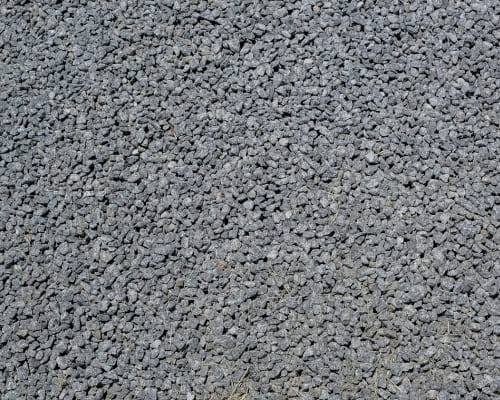
Concrete sealing Bendigo work exists because bare concrete is porous. It looks solid, but the surface is a network of fine capillaries that draws in whatever lands on it, and almost every way concrete goes bad starts with something getting into those pores.
What a sealer actually prevents
Four things. Staining, because oil, fuel, rust, leaf tannin, barbecue fat and red wine soak in rather than sitting on top, and once absorbed they are extremely hard to lift. Surface breakdown, because water that enters the pores and then freezes on a Bendigo winter night expands and pops the surface layer off, which is how spalling and scaling start. Dusting, where an unsealed slab sheds a fine cement powder underfoot and onto whatever is stored on it. And fading, since ultraviolet light attacks exposed pigment in coloured and decorative work.
When new concrete should be sealed
A new slab needs to cure properly before it is sealed, typically around 28 days, because sealing concrete that is still releasing moisture traps that moisture underneath and can cloud or blister a film-forming product. Decorative work, coloured, stamped and exposed aggregate, is sealed as part of the original job rather than as an afterthought. Plain concrete is more often left and sealed later, which is a false economy on a driveway because the staining it collects in its first unsealed year is permanent.
How to tell existing concrete needs resealing
Three tells. Water stops beading and soaks straight in, darkening the surface. The colour looks flat, dry and chalky rather than rich. And on decorative work, the surface starts shedding fine grit or the pattern edges look dusty. Any of those means the sealer has broken down and the concrete is unprotected.
Before sealing: the surface has to be sound
A sealer protects concrete; it does not repair it. Cracks, spalling and pitting are made good first, because sealing over damage simply locks it in and the sealer fails along the same lines. Where a slab needs that work, it is handled as concrete repairs, and where the surface is tired across the whole area a resurfacing overlay is often the better spend than sealing a worn-out surface.
Peak Concreting Bendigo
Penetrating, Film-Forming And Colour Sealers: Which Type Suits Which Surface
Sealers divide into three families that work in completely different ways. Choosing the wrong family is the most common reason a sealing job disappoints, and it is worth understanding before comparing prices.
Penetrating sealers
A penetrating sealer, usually a silane, siloxane or silicate, soaks into the concrete and reacts chemically below the surface rather than forming a layer on top. The concrete still looks like bare concrete, matte and natural, with no sheen added. Because there is nothing sitting on the surface, there is nothing to peel, flake, scuff or turn white, and the surface keeps its original slip resistance. It is the longest-lasting family, often lasting many years, and it is the right choice for a plain driveway, a path, a workshop floor or anywhere a natural look and maximum durability matter more than appearance.
Film-forming sealers
Acrylics, polyurethanes and epoxies form a protective film on top of the concrete. The reason to choose one is appearance: a film adds sheen and deepens colour, which is what makes decorative concrete look rich rather than flat. The cost is durability. A film wears through in traffic lines, can go white if moisture is trapped beneath it, and has to be stripped or recoated rather than simply topped up. A gloss film also reduces slip resistance when wet, so an anti-slip additive is worked in on any sloped or wet area.
Colour and tinted sealers
A colour sealer is a film-forming product carrying pigment. It is used to refresh faded decorative work, to tint plain grey concrete without recolouring it properly, or to even out a patchy surface. It is the cheapest route to a colour change and the least durable, since the colour is in a film a few microns thick and wears where traffic runs. For a permanent colour change the pigment belongs in the concrete, which is covered on the coloured concrete page.
Choosing between them
In practice: penetrating for plain concrete and anywhere longevity and natural appearance win; film-forming for decorative work where the sheen is the point; colour sealer only as a refresh on existing decorative concrete. The surface, the look wanted and how long the sealer should last settle it, and the product chosen is named on the quote rather than left as 'sealer'.
Peak Concreting Bendigo
Driveway Sealing, Plus Exposed Aggregate, Stamped And Coloured Surfaces
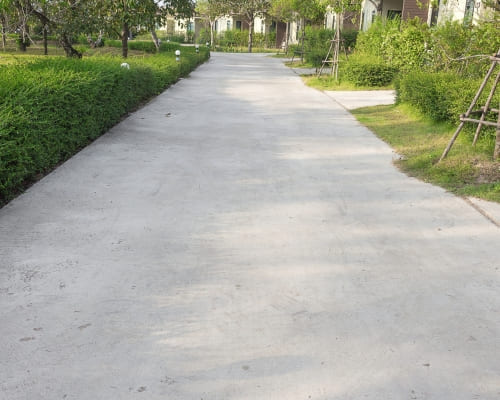
Different surfaces want different sealers, and a product that is right on one is wrong on the next.
Driveway sealing
A driveway is the hardest-worked concrete on a property and the one that benefits most from sealing, because it collects exactly what a sealer stops: oil and fuel drips, rust from parked equipment, leaf tannin and tyre marking. A plain driveway is usually best served by a penetrating sealer, which keeps the broom texture's grip and does not wear in the wheel tracks. A decorative driveway takes a film to hold its colour, with an anti-slip additive where the drive slopes. Resealing is typically every three to five years in full Bendigo sun. Driveway construction is on the concrete driveways page.
Sealing exposed aggregate
Exposed aggregate needs sealing more than any other finish, and for a structural reason rather than a cosmetic one: the stone sits proud with the paste washed back from around it, so a sealer is what holds the surface together and stops it shedding loose grit underfoot. An unsealed aggregate surface also looks dull and dusty, because the stone colour only reads properly when wet or sealed. A film-forming product is usual here to bring the stone up, and it has to be applied evenly, since a heavy coat pools in the hollows between stones and dries glossy in patches. Full detail is on the exposed aggregate concrete page.
Stamped and coloured surfaces
Stamped work is sealed to deepen the colour, highlight the pattern relief and protect the release agent colour in the low points of the texture. Coloured concrete is sealed to shield the oxide from ultraviolet light, without which it goes chalky within a year. Both take film-forming sealers, and both show wear in a film more obviously than plain concrete does, so they are the surfaces most often on a regular resealing cycle.
Pool surrounds, alfresco and interior floors
Around a pool, the sealer has to be rated for chlorinated and salt water and must not reduce grip, so a penetrating product or a matte film with an anti-slip additive is specified rather than a gloss. A covered alfresco sees little ultraviolet and holds a sealer far longer. Interior polished and honed floors take a penetrating sealer over a densifier, which is covered on the polished concrete page.
Peak Concreting Bendigo
How Concrete Is Sealed, Including Joint Sealing
Sealing looks like painting and is not. Most sealing failures come from what happened before the product went on, or from the weather on the day.
Cleaning and preparation
The surface is cleaned thoroughly, normally by pressure washing, to lift dirt, algae, leaf stain and loose material. Oil and grease are degreased separately, because a sealer will not bond over them and will lift in exactly those patches. Any repairs are completed first. On a previously sealed surface, old failing film has to be stripped or abraded rather than coated over, since a new film over a loose one fails with the layer beneath it.
Drying and the weather window
The slab must be properly dry before sealing, usually at least 24 to 48 hours after washing and longer in cool weather, because moisture trapped under a film is the cause of the white blushing people blame on the product. Sealing is avoided in direct heat, which flashes the solvent off before the product levels, and ahead of rain, which marks an uncured film. In Bendigo that generally means working the shoulders of the day through summer.
Application
Sealer is applied in two thin coats rather than one heavy one, usually by low-pressure spray and back-rolled to spread it evenly and avoid pooling. Thin coats are a rule rather than a preference: an over-applied film traps solvent, stays soft, bubbles and goes cloudy. Coverage rates are matched to the porosity of the surface, so a fresh dense slab takes less product than an old open one.
Joint sealing
Control and expansion joints are a separate job from sealing the slab face. A joint is routed clean and filled with a flexible polyurethane or polysulfide sealant over a backing rod, so the joint can still open and close with seasonal movement while water, grit and weeds are kept out. This matters most where a slab meets a building, since an unsealed joint there delivers water straight to the footings. Joint sealant is a wearing item and is renewed on its own cycle, independent of the surface sealer.
Peak Concreting Bendigo
Concrete Sealing Cost In Bendigo, Resealing Intervals And Whether To DIY
Sealing is quoted per square metre and is one of the cheapest things that can be done to concrete, which is what makes it good value rather than an upsell. The figures below are indicative for the Bendigo area; a written quote on site replaces them with a fixed price.
Indicative cost per square metre
Cleaning and sealing an existing surface generally runs from around $12 to $25 per square metre for a penetrating sealer and $18 to $35 for a quality film-forming product in two coats, with the cleaning and preparation included. Stripping a failed old film adds significantly, commonly $10 to $20 per square metre, because it is labour rather than material. Sealing applied as part of a new decorative pour is included in that job rather than priced separately.
Resealing intervals
A film-forming sealer on a driveway in full sun typically lasts three to five years. A penetrating sealer lasts considerably longer, often seven to ten years, because there is no film to wear through. A covered alfresco or an interior floor goes longer again. The real schedule is set by observation rather than the calendar: when water stops beading and soaks in, it is due.
Whether to do it yourself
Sealing is the most realistic do-it-yourself job on this site, and a small sheltered area with a penetrating sealer is a reasonable weekend task. Three things catch people out on a driveway. Preparation decides the result, and inadequate degreasing means the sealer lifts in exactly the spots that needed it. Over-application is the most common fault, because a heavy coat looks better going on and then blushes white and stays tacky. And the weather window is narrow, so a hot afternoon or unexpected rain ruins a coat that then has to be stripped. A failed DIY seal costs more to remove than the original job would have cost.
Why sealing is worth doing
Against the cost of the concrete it protects, sealing is a small recurring spend that prevents permanent, expensive damage. A stain absorbed into unsealed concrete is there for good; spalling from freeze and thaw has to be ground back and patched; faded oxide cannot be restored without recolouring. Peak Concreting Bendigo seals as part of every decorative job and quotes existing surfaces in writing with the product named. Call 0485 072 026.
TESTIMONIALS
What Our Concrete Sealing Customers Say About Us
The Process
3 Step Process For Your Concrete Sealing Needs

Free Quote
A call or a form message starts it. A site visit follows to measure up, check access and assess the ground or the existing slab, and a fixed written price comes back with the scope spelled out.

Preparation
Preparation is matched to the job quoted: excavating and compacting a base and setting formwork and steel for a new pour, or grinding, cleaning and priming the surface where the work goes over concrete already in the ground.

Finish And Clean-Up
The chosen finish is worked and then protected, with joints cut and curing managed on a new pour or the surface sealed on an overlay or polish, and the site left clean and ready to use.
Concrete Sealing In Bendigo
FREQUENTLY ASKED QUESTIONS
Everything you need to know about our Concrete Sealing In Bendigo
How much does concrete sealing cost in Bendigo?
As an indicative guide, cleaning and sealing an existing surface runs from around $12 to $25 per square metre for a penetrating sealer and $18 to $35 for a quality film-forming product applied in two coats, with cleaning and preparation included. Stripping a failed old film adds roughly $10 to $20 per square metre because it is labour rather than material. Sealing carried out as part of a new decorative pour is included in that job rather than quoted separately. Area, the condition of the surface and the product specified are the main variables. Call 0485 072 026.
How often should concrete be resealed?
It depends on the sealer type and the exposure. A film-forming sealer on a driveway in full Bendigo sun typically lasts three to five years. A penetrating sealer lasts considerably longer, often seven to ten years, because there is no film on the surface to wear through. A covered alfresco or an interior floor goes longer again. Rather than working to a calendar, watch the surface: when water stops beading and soaks straight in and the colour looks flat and chalky, the sealer has broken down and it is due. Decorative work generally needs it sooner than plain concrete. Call 0485 072 026.
What is the difference between a penetrating and a film-forming sealer?
A penetrating sealer soaks into the concrete and reacts below the surface, so the concrete still looks bare and matte, keeps its original grip, and has nothing on top to peel, flake or go white. It is the most durable family. A film-forming sealer, acrylic, polyurethane or epoxy, forms a layer on top that adds sheen and deepens colour, which is why decorative concrete looks rich rather than flat with one. The trade-off is that a film wears through in traffic lines, can blush white if moisture is trapped underneath, and reduces slip resistance when wet unless an anti-slip additive is used. Call 0485 072 026.
Can I seal my own concrete driveway?
It is the most realistic do-it-yourself job on a concreting site, and a small sheltered area with a penetrating sealer is a reasonable weekend task. A driveway is harder than it looks for three reasons. Preparation decides the outcome, and incomplete degreasing means the sealer lifts in exactly the oil-stained spots that most needed protecting. Over-application is the most common fault, since a heavy coat looks better going on and then blushes white and stays tacky. And the weather window is narrow, so direct heat or unexpected rain ruins a coat. A failed seal costs more to strip than the original job. Call 0485 072 026.
Should new concrete be sealed, and how soon?
Yes, and the timing matters. New concrete needs to cure before sealing, typically around 28 days, because a slab still releasing moisture will trap it under a film-forming product and cloud or blister it. Decorative work, coloured, stamped and exposed aggregate, should be sealed as part of the original job rather than left, since exposed aggregate sheds grit without a sealer and coloured concrete goes chalky within a year under ultraviolet light. Plain concrete is more often sealed later, but leaving a new driveway unsealed through its first year means the staining it collects is permanent. Call 0485 072 026.
Why has my sealed concrete gone white or cloudy?
Almost always moisture trapped beneath a film-forming sealer, known as blushing. It happens when the slab was not fully dry when sealed, when the sealer was applied too thickly so solvent could not escape, when it rained on an uncured film, or when water is rising through the slab from below because there is no vapour barrier under it. It is not usually a fault in the product. A light blush sometimes clears as the moisture works out, and a persistent one needs the film stripped or re-solvated and the surface resealed properly once dry. Call 0485 072 026.
Request A Free Concrete Sealing Quote
GET A FREE QUOTE
BUSINESS
SERVICES
OPERATING HOURS
Sun: 6:00am - 10:00pm
Mon: 6:00am - 10:00pm
Tue: 6:00am - 10:00pm
Wed: 6:00am - 10:00pm
Thu: 6:00am - 10:00pm
Fri: 6:00am - 10:00pm
Sat: 6:00am - 10:00pm