Concrete Repairs Bendigo: Crack Repair, Spalling, Sunken Slabs And Trip Hazards For Homes And Businesses
Not every tired or cracked slab needs ripping out and replacing. Peak Concreting Bendigo repairs concrete driveways, paths, slabs and floors across the region, dealing with cracks, spalling, pitting, sunken and lifting slabs and crumbling edges, and giving a straight answer on when a repair will hold and when replacement is the smarter call. Twelve years of assessing concrete around Bendigo and central Victoria marks the difference between surface damage worth patching and structural failure that needs a fresh pour. Where a slab is sound but tired across the whole area, resurfacing renews it for a fraction of replacement cost; where cracks are structural, the cause is fixed rather than the symptom. Every repair comes with an on-site assessment, a fixed written quote and a method chosen to last rather than a quick patch that fails again within a season. Where replacement genuinely is the better value over time, that is said plainly. Call 0485 072 026 for an honest assessment and quote.
GET A FREE QUOTE
Peak Concreting Bendigo
Crack Repair In Bendigo: Hairline, Shrinkage, Structural And Moving Cracks
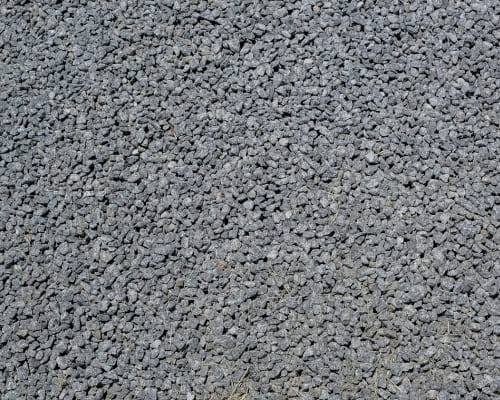
Cracking is the most common reason a Bendigo property owner calls about concrete, and the right repair depends entirely on which kind of crack is in front of you. Reading that correctly is most of the job, because the wrong method on a moving crack simply reopens within a season.
Hairline and crazing
Fine surface cracking, often in a random map pattern, usually comes from the slab drying too quickly after the pour. It is cosmetic rather than structural, it does not threaten the slab, and it is normally dealt with by filling and then renewing the surface rather than by chasing individual lines.
Shrinkage and control-joint cracks
Concrete shrinks as it cures, and where a control joint was cut too shallow, spaced too far apart or left out altogether, the slab cracks where the joint should have been. These are stable once the curing is finished, so they are routed out to a clean profile and filled with a flexible polyurethane or epoxy to seal out water and stop the edges spalling.
Structural cracks
A crack wider than about 3mm, one that runs right through the slab, or one where the two sides sit at different heights is structural. That is a load or ground problem showing itself, and filling it alone achieves nothing. The repair starts with the cause: drainage, a failed base, tree roots or inadequate reinforcement, then stitching, pinning or replacement of the affected section.
Moving cracks
Bendigo sits on reactive clay that swells in winter and shrinks through summer, so some cracks open and close through the year. These need a flexible sealant in a correctly shaped joint rather than a rigid filler, which would simply crack again alongside the original line. Identifying a crack as live before quoting is what separates a repair that holds from one that is back within twelve months.
Peak Concreting Bendigo
Spalling, Pitting And Surface Repair On Worn Concrete
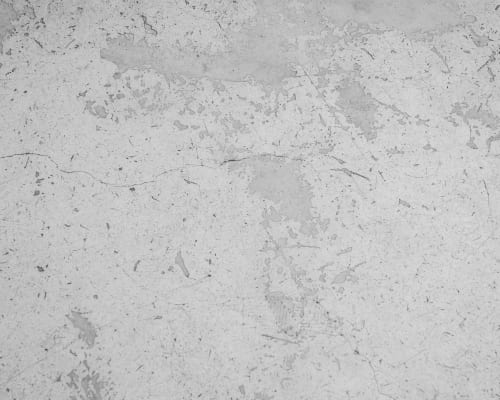
Where a slab is sound underneath but the top surface has broken down, the repair is a surface repair rather than a structural one. The distinction matters because the two cost very differently.
Spalling and delamination
Spalling is the flaking and chipping away of the top layer, leaving shallow craters and exposed aggregate. It follows from freeze and thaw cycles, from a surface that was overworked or finished with water on it during the pour, or from reinforcement sitting too close to the surface and rusting. Rust expands and pushes the concrete off from beneath. Repair means cutting back to sound concrete, treating any exposed steel, then rebuilding the profile with a polymer-modified repair mortar that bonds to the parent slab.
Pitting, scaling and chemical damage
Pitting and scaling leave a rough, porous surface that collects dirt and water and accelerates further breakdown. De-icing salts are rarely the culprit locally, but fertiliser, pool chemicals and vehicle fluids all attack a surface that was never sealed. Small areas are patched; where the pitting covers most of the slab, renewing the whole surface is both cheaper and better looking than a field of patches.
Exposed and rusting reinforcement
Once mesh or bar is visible, the repair stops being cosmetic. The steel is cleaned back to bright metal and treated with a corrosion inhibitor before anything is placed over it, because concrete laid over rusting steel fails again from the inside. Skipping that step is the single most common reason a patch lifts off within a year.
Where surface damage is widespread but the slab is structurally fine, a bonded overlay often beats patching. That option is covered on the concrete resurfacing page.
Peak Concreting Bendigo
Driveway, Slab And Floor Repair: Sunken Sections And Trip Hazards
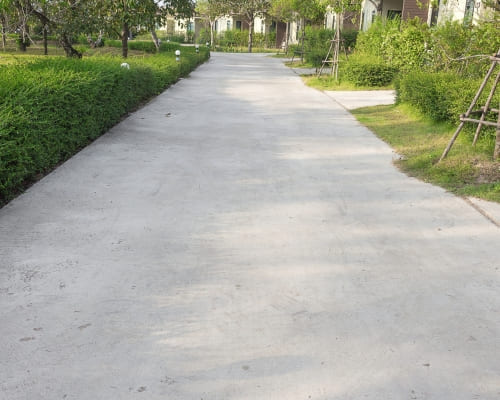
Different concrete assets fail in different ways, and the repair is chosen around how the surface is loaded and what it has to look like afterwards.
Driveway repair
A driveway carries the heaviest loads on a residential property and shows damage first at the crossover, along the edges where there is no lateral support, and anywhere the base has washed out. Concrete driveway repair in Bendigo usually means a mix of crack routing and sealing, edge rebuilding and, where one bay has dropped or broken up, cutting out and repouring that bay to the existing joint lines so the repair reads as part of the original. Matching the finish matters as much as the structure, which is why the existing broom direction, colour and joint pattern are recorded before anything is cut.
Sunken and uneven slabs
A slab that has dropped at one corner or lifted at a joint is a ground problem, not a concrete problem. Where the slab itself is sound, the level is corrected and the void beneath filled; where it has broken up as it moved, that section is replaced and the base rebuilt properly first. Either way the drainage that caused it is dealt with, because a slab relevelled over the same wet subgrade sinks again.
Trip hazards on paths, steps and porches
A lifted joint on a footpath, step or porch is a liability as much as an eyesore, particularly on a commercial frontage or a rental. Small height differences are ground flush and the surface blended; larger ones are cut out and repoured. Steps and porch edges are rebuilt with formwork and a repair mortar so the nosing is square again rather than rounded off.
Garage, shed and internal floor repair
Internal floors fail from point loads, dropped tools, oil soaking into unsealed concrete and old saw cuts breaking up at the edges. Because they are sheltered and flat, they are the cheapest surfaces to bring back, and a repaired floor is normally sealed afterwards so the same damage does not simply recur.
Peak Concreting Bendigo
What Concrete Repairs Bendigo Cost, And How To Choose A Repair Contractor
Concrete repairs Bendigo work is quoted by the job rather than by a flat rate, because a 2 metre crack and a dropped driveway bay are not the same piece of work. The figures below are indicative for the Bendigo area and a written quote replaces them with a fixed price.
Indicative ranges
Routing and sealing cracks generally runs from around $40 to $90 per linear metre depending on width, depth and access. Patching spalled or pitted areas with a repair mortar typically falls between $80 and $200 per square metre, rising where reinforcement has to be treated. Grinding a trip hazard flush is usually a few hundred dollars for a single location. Cutting out and repouring a driveway bay or slab section is the largest of the common repairs and is priced per square metre including demolition, spoil removal, base work and the new pour.
What moves the price
Access is the quiet one: a repair a wheelbarrow can reach costs less than one that needs material carried through a house. Beyond that, the depth of damage, whether steel is exposed, how closely the finish has to match the surrounding concrete, and whether the cause has to be fixed as well as the symptom all move the figure.
Choosing a repair contractor
Concrete repair attracts operators who fill a crack, take the money and leave the cause in place. Four things are worth checking before anyone starts. Ask what caused the damage, because a contractor who cannot answer is treating a symptom. Ask for the repair method by name, since routing and flexible sealing, epoxy injection, mortar patching and section replacement are different jobs at different prices. Confirm public liability insurance. And insist on a written itemised quote rather than a verbal figure. Peak Concreting Bendigo quotes every repair in writing on site and gives a straight answer when a repair is not worth doing. Call 0485 072 026.
Peak Concreting Bendigo
Repair, Resurface Or Replace: How To Tell Which A Slab Needs
Three options exist for tired concrete, and the right one is decided by the condition of the slab rather than by how bad it looks from the house.
Repair
Repair is the answer when the damage is localised and the rest of the slab is sound: a few cracks, one spalled patch, a single dropped bay, a trip hazard at one joint. It is the cheapest of the three and the least disruptive, and it is the right call whenever the surrounding concrete has years left in it.
Resurface
Resurfacing suits a slab that is structurally sound but worn out across the whole surface, where patching would leave a field of mismatched repairs. A bonded overlay renews the entire area to one finish for far less than replacement, and it allows a decorative upgrade at the same time. Details are on the concrete resurfacing page. Localised repairs are carried out first so the overlay has sound concrete to bond to.
Replace
Replacement is the honest recommendation when the slab has failed as a structure: cracks running through and offset at the edges, sections moving with the clay beneath, a washed-out or never-compacted base, extensive spalling with corroded reinforcement throughout, or old unreinforced concrete at the end of its life. Repairing any of those buys a season and then fails along the same lines, so the money is better spent once on a properly based and reinforced new pour.
Most jobs are obvious within a few minutes on site. A free assessment gives a straight answer on which of the three applies, including when the answer is that nothing needs doing yet.
TESTIMONIALS
What Our Concrete Repairs Customers Say About Us
The Process
3 Step Process For Your Concrete Repairs Needs

Free Quote
A call or a form message starts it. A site visit follows to measure up, check access and assess the ground or the existing slab, and a fixed written price comes back with the scope spelled out.

Preparation
Preparation is matched to the job quoted: excavating and compacting a base and setting formwork and steel for a new pour, or grinding, cleaning and priming the surface where the work goes over concrete already in the ground.

Finish And Clean-Up
The chosen finish is worked and then protected, with joints cut and curing managed on a new pour or the surface sealed on an overlay or polish, and the site left clean and ready to use.
Concrete Repairs In Bendigo
FREQUENTLY ASKED QUESTIONS
Everything you need to know about our Concrete Repairs In Bendigo
What causes concrete to crack in Bendigo?
Most cracking traces back to one of four causes. Shrinkage during curing is the most common and shows as fine lines, often where a control joint was cut too shallow or spaced too far apart. Ground movement is the next, and it matters locally because Bendigo's reactive clay swells and shrinks with the seasons, lifting and dropping slabs through the year. Loading is third, where a slab was poured too thin or under-reinforced for the vehicles using it. Water is fourth, washing out the base beneath the slab until it loses support. A repair that ignores the cause reopens, so the cause is identified before a method is quoted. Call 0485 072 026.
Can a cracked concrete driveway be repaired, or does it need replacing?
Most cracked driveways can be repaired. If the slab sits level, the crack edges are at the same height and the base underneath is intact, routing and sealing the cracks restores both the appearance and the weatherproofing for a fraction of replacement cost. Replacement becomes the sensible option when sections have dropped relative to each other, when cracking runs across the whole driveway rather than in one or two lines, or when the base has washed out and the slab is moving. A middle path is common: cut out and repour the failed bay, repair the rest, then resurface the lot to one finish. Call 0485 072 026.
How long do concrete repairs last?
A repair carried out on a correctly diagnosed fault lasts for years. Routed and flexibly sealed cracks on a stable slab hold indefinitely with occasional resealing. A mortar patch over properly prepared concrete, with any exposed steel treated first, lasts as long as the surrounding surface. What does not last is a repair over an unaddressed cause: filling a crack on a slab that is still moving, or patching over rusting reinforcement, both fail within a year or two. Lifespan is decided at diagnosis rather than at application, which is why the assessment comes before the quote. Call 0485 072 026.
What is the best filler for concrete cracks?
It depends on whether the crack moves. A static shrinkage crack is best filled with a rigid epoxy or a polymer-modified cement mortar, which restores strength and bonds to the parent concrete. A crack that opens and closes with the seasons needs a flexible polyurethane sealant in a correctly shaped joint, because a rigid filler simply cracks alongside the original line. Wider structural cracks may need epoxy injection or stitching rather than any surface filler. Hardware-store fillers applied straight into an unrouted crack rarely hold, because the bond area is too small. Call 0485 072 026 for a straight recommendation.
Can a sunken concrete slab be lifted back to level?
Often, yes, provided the slab itself is still sound. Where a slab has dropped because the ground beneath washed out or consolidated, the level can be corrected and the void beneath filled so the slab is supported across its whole area again. The critical part is dealing with whatever moved the ground in the first place, normally drainage, because a slab relevelled over the same problem settles again. Where the slab has cracked up as it sank, lifting it is pointless and that section is cut out, the base rebuilt and the concrete repoured. An on-site look settles which applies. Call 0485 072 026.
Is it cheaper to repair concrete or replace it?
Repair is substantially cheaper whenever the damage is localised. Sealing a few cracks or patching one spalled area is a small fraction of the cost of demolition, spoil removal, base preparation and a new reinforced pour. The calculation changes when damage is widespread: once patches would cover much of the surface, the repair bill approaches replacement and the result looks worse. At that point resurfacing a sound slab, or replacing a failed one, is the better spend. An honest answer on which side of that line a slab falls comes with the free assessment. Call 0485 072 026.
Request A Free Concrete Repairs Quote
GET A FREE QUOTE
BUSINESS
SERVICES
OPERATING HOURS
Sun: 6:00am - 10:00pm
Mon: 6:00am - 10:00pm
Tue: 6:00am - 10:00pm
Wed: 6:00am - 10:00pm
Thu: 6:00am - 10:00pm
Fri: 6:00am - 10:00pm
Sat: 6:00am - 10:00pm