Concrete Resurfacing Bendigo: Bonded Overlays, Spray-On and Stencilled Finishes Over an Existing Slab
If a concrete surface is structurally sound but looks tired, stained or dated, resurfacing gives it a brand-new finish for a fraction of the cost of ripping it out and starting again. Peak Concreting Bendigo resurfaces driveways, paths, pool surrounds, patios, alfresco areas and garage floors across the region, bonding a fresh overlay over the existing slab and finishing it plain, stencilled, stamped or with a sprayed decorative pattern in the colour chosen. It is one of the best-value ways to transform the hard surfaces around a home, and because the work builds on the slab already in the ground, there is no demolition, no spoil to cart away and far less disruption. Twelve years of concreting across Bendigo and central Victoria means the surface is properly profiled and primed, the overlay bonds and the finish comes up even. An honest answer comes back when a slab is not a good candidate. Call 0485 072 026 for a free on-site assessment and a fixed written quote.
GET A FREE QUOTE
Peak Concreting Bendigo
The Overlay Finishes To Choose From: Plain, Spray-On, Stencilled And Stamped
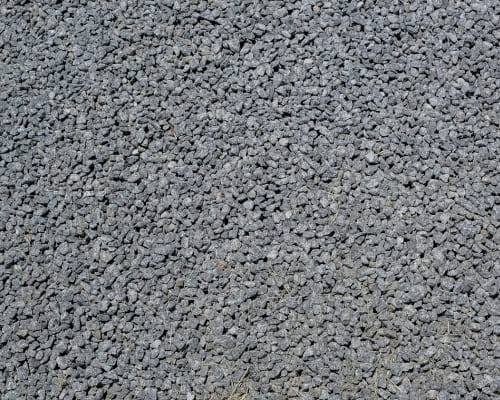
Concrete resurfacing bonds a thin new layer over the slab that is already there, so the finish chosen at quoting time decides most of the look and a fair share of the price. Four systems cover almost every Bendigo job.
Plain skim and micro-topping
A cementitious skim or micro-topping is troweled on a few millimetres thick and left smooth and uniform. It buries surface staining, light pitting and dated broom lines, and it suits a garage floor, a courtyard or a patio where a clean modern surface matters more than pattern. It is the quickest of the four to lay and the cheapest per square metre.
Spray-on and spray-crete
A spray-on system fires a fine textured coat over the prepared slab, often through a stencil, and cures to a surface with real grip underfoot. That combination of texture and decoration is why it dominates driveways and pool surrounds, where a slick finish is a safety problem rather than a style choice.
Stencilled overlays
Stencilled work lays an adhesive pattern, brick, tile, cobblestone or pavers, over the slab and colours the topping around it. The result reads as laid paving from the street but keeps a single continuous surface, so there are no joints for weeds to lift and no individual units to sink.
Stamped overlays
Stamped overlays press texture and pattern mats into the fresh topping while it is still workable, mimicking slate, flagstone, natural stone or timber plank. It is the most sculptural of the four and the most dependent on timing, because the topping only takes an impression inside a short window.
Colour runs across all four. Earthy reds, ochres and sandstone tones sit naturally against Bendigo's heritage brickwork, while charcoals and cool greys suit a newer build. Samples of each finish and colour are shown on site before a quote is signed, because a 300mm sample in the hand settles the decision faster than any brochure.
Peak Concreting Bendigo
How The Overlay Is Bonded So The New Finish Lasts
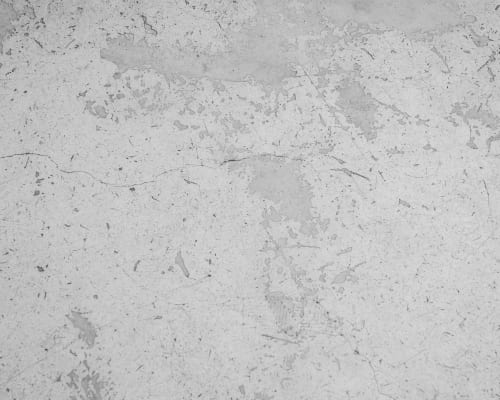
Everything about a resurfacing job comes down to bond. An overlay that does not grip the concrete beneath it lifts, blisters and goes hollow underfoot, usually within the first two summers, and the only remedy is grinding the whole lot off and starting again. Preparation is therefore most of the work and most of the skill.
The first step is an assessment of the existing slab, because resurfacing renews a surface and cannot renew a structure. A slab that is cracked right through, sinking at one corner or lifting on reactive clay is not a candidate, and an overlay over a moving slab simply telegraphs the movement through to the new finish. Where the concrete is sound but locally damaged, spalling, pitting or hairline cracking is made good first as a separate piece of concrete repair work in Bendigo before any topping goes down.
The surface is then cleaned and mechanically profiled, normally by grinding or high-pressure preparation, to strip oil, old sealers, coatings and the weak laitance layer off the top and open the pores so the topping can key in. A bonding primer locks the new layer to the old.
The topping is laid to the specified thickness and worked to the chosen finish, trowelled flat, sprayed, stencilled or stamped, and that is where consistency shows: even colour, no lap marks, no thin patches at the edges. The finish is then sealed, which protects it, deepens the colour and makes it washable, and curing advice follows with the handover so the surface is not loaded before it is ready. Weather governs the whole sequence, since resurfacing products need the right temperature and humidity to cure properly.
Peak Concreting Bendigo
Driveways, Paths, Pool Surrounds, Patios And Garage Floors That Suit An Overlay
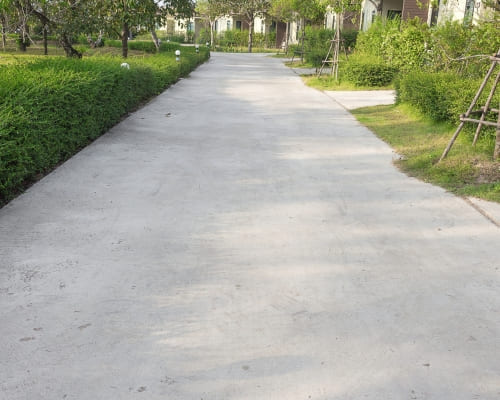
Resurfacing restores almost any sound concrete surface around a Bendigo property, and the restoration is judged by where it sits and how it is used rather than by its age.
Driveways and crossovers
A driveway is the most common candidate and the most demanding one, carrying vehicle loads, turning tyres and full summer sun. A textured spray-on or stencilled overlay restores the appearance of a tired concrete driveway while adding the grip a car needs on a slope, which is why a smooth skim is rarely the right answer out the front.
Paths, courtyards and verandahs
Front and side paths, courtyards and verandah slabs take foot traffic rather than wheels, so the finish choice opens up. These are the surfaces where a stencilled paver pattern transforms the look of a house for a fraction of what relaying concrete paths and footpaths would cost.
Pool surrounds, patios and alfresco areas
Around a pool, slip resistance stops being a preference and becomes the specification, so a sprayed texture is standard. Patios and alfresco areas under a roofline see less weathering and suit stamped or stencilled work, and colour there is usually chosen to pick up the paving or brickwork it adjoins.
Garage, shed and workshop floors
An internal floor is the easiest surface to transform, because it is sheltered, flat and rarely structurally compromised. A plain micro-topping over an oil-stained garage slab reads as a new floor, and for a workshop a sealed topping wipes clean in a way bare concrete never does.
The constant across all of them is condition. A surface that looks tired is a restoration job; a surface that is moving is not.
Peak Concreting Bendigo
Concrete Resurfacing Bendigo Costs, Per Square Metre And Against Replacement
Concrete resurfacing Bendigo work is priced by the square metre, and the appeal is straightforward: it renews the surface completely for a fraction of what a replacement slab costs. As an indicative guide for the Bendigo area, resurfacing typically runs from around $50 to $100 per square metre, with a plain skim or micro-topping at the lower end and decorative stencilled, stamped and coloured spray-on finishes toward the upper end. A written quote on site replaces that range with a fixed figure.
What moves the price
Four things account for most of the variation. The finish is the largest: a plain topping is laid in a single pass, while a stamped or stencilled finish adds stencils, colour, release and considerably more labour. The condition of the existing slab is next, because a surface needing heavy grinding, degreasing and making good carries more preparation hours than a clean one. Area and layout follow, since a large open driveway is more efficient per square metre than a narrow path with steps, garden edges and tight access. Sealing is the fourth, and it should always be included rather than quoted as an extra.
Set against replacing the slab
Replacement means breaking out the old concrete, carting the spoil away, re-preparing the base and pouring a new reinforced slab with its own curing time. Resurfacing uses the slab already in the ground, so demolition, disposal and most of the material cost disappear, and the property is back in use far sooner. That gap is why resurfacing is consistently the better spend whenever the concrete underneath is structurally sound, and why an honest assessment of the slab comes before any price is quoted.
Peak Concreting Bendigo
Resurface Or Replace: How To Tell Which A Slab Needs
The resurface or replace decision is not about how bad the concrete looks. It is about whether the slab is still doing its structural job, and a short inspection usually settles it.
When resurfacing is the right call
Resurfacing is the cheaper and better answer when the concrete is sound but the surface has worn out: staining that will not lift, light pitting, a dated or uneven broom finish, surface crazing, faded colour, or a slab that is simply the wrong look for a renovated house. The structure is intact, the surface is not, and an overlay replaces exactly the part that has failed. It also allows an upgrade in the process, so a plain grey driveway can come back stencilled or coloured for far less than a decorative new pour.
When replacement is the honest answer
Replacement is the right recommendation when the slab itself has gone: cracks running right through and offset at the edges, sections sinking or heaving as the reactive clay underneath moves, a failed or washed-out base, extensive spalling that has exposed and rusted the reinforcement, or old unreinforced concrete that has reached the end of its life. An overlay on any of those hides the problem for a season and then cracks along the same lines, so the money is better spent once on a properly based and reinforced slab.
The grey area
Some slabs sit between the two, sound across most of the area with one failing section. Breaking out and repouring the bad section, then resurfacing the whole area to one finish, often produces a better result than either option alone. A free on-site assessment gives a straight answer on which of the three applies before any commitment, and Peak Concreting Bendigo will say so plainly when an overlay is not worth laying.
TESTIMONIALS
What Our Concrete Resurfacing Customers Say About Us
The Process
3 Step Process For Your Concrete Resurfacing Needs

Free Quote
A call or a form message starts it. A site visit follows to measure up, check access and assess the ground or the existing slab, and a fixed written price comes back with the scope spelled out.

Preparation
Preparation is matched to the job quoted: excavating and compacting a base and setting formwork and steel for a new pour, or grinding, cleaning and priming the surface where the work goes over concrete already in the ground.

Finish And Clean-Up
The chosen finish is worked and then protected, with joints cut and curing managed on a new pour or the surface sealed on an overlay or polish, and the site left clean and ready to use.
Concrete Resurfacing In Bendigo
FREQUENTLY ASKED QUESTIONS
Everything you need to know about our Concrete Resurfacing In Bendigo
Is resurfacing concrete a good idea?
Yes, when the slab is structurally sound but the surface looks tired. Resurfacing renews that surface completely for a fraction of the cost of replacement, with no demolition, no spoil to cart away and far less disruption to the property, and it allows an upgrade to a decorative finish at the same time. The one condition is the slab underneath, because an overlay renews a surface and not a structure, and it cannot hold on concrete that is cracked through or moving. Every slab is assessed before resurfacing is recommended, and an honest answer comes back either way. Call 0485 072 026.
Can I resurface my concrete myself?
Resurfacing products are sold as DIY, but the results are often disappointing, because the parts that decide whether an overlay succeeds are exactly the parts that are easy to get wrong: thorough mechanical preparation, correct priming, accurate mixing and even application inside the working window. An overlay that does not bond lifts and blisters, and a failed job has to be ground off and redone, which costs more than having it laid properly the first time. Getting a decorative finish even, with consistent colour and no lap marks, takes practice. A small sheltered area is a reasonable DIY attempt; a driveway is not. Call 0485 072 026.
What is the best thing to resurface concrete with?
It depends on the surface and the look wanted. A cementitious micro-topping or skim coat gives a smooth, tidy finish and suits garage floors and courtyards. A textured spray-on system adds grip as well as decoration, which is why it is standard on driveways and pool surrounds. A stencilled or stamped overlay with colour gives the appearance of pavers, tile or natural stone. Whichever is chosen, it has to be a proper polymer-modified resurfacing system designed to bond to existing concrete, laid over a properly prepared and primed surface and then sealed. The wrong product, or the right one over poor preparation, simply lifts. Call 0485 072 026.
Can you put a thin coat of concrete over existing concrete?
Yes, and that is precisely what resurfacing is: a thin bonded overlay laid over prepared existing concrete to give a fresh surface, finished plain, textured, or as a decorative stencilled or stamped pattern with colour. Two requirements decide whether it holds. The existing slab has to be structurally sound, and the surface has to be cleaned, mechanically profiled and primed so the topping keys into it, because an overlay laid over dirt, oil, old sealer or loose laitance will not bond. It renews the surface and not the structure, so it is no answer to a slab that is cracking through or moving. Call 0485 072 026.
How long does a resurfaced concrete finish last?
On a structurally sound slab, with proper preparation and a quality sealed finish, a resurfaced surface lasts many years and handles normal traffic and Bendigo weather well. Three things decide the lifespan: the slab underneath has to stay sound, the overlay has to have been correctly bonded in the first place, and the finish needs resealing periodically in the same way any decorative concrete does. If the slab later fails structurally, no overlay survives that, which is the reason only sound slabs are resurfaced. Looked after, a resurfaced driveway or patio stays looking new for a long time. Call 0485 072 026.
Is resurfacing cheaper than replacing my concrete?
Almost always, and usually by a wide margin. Replacement means breaking out the old concrete, carting the spoil away, re-preparing the base and pouring a whole new reinforced slab, while resurfacing works with the slab already in the ground, so demolition, disposal and most of the material cost disappear. As an indicative guide, resurfacing runs from around $50 to $100 per square metre in the Bendigo area, well below the cost of replacement. The catch is the condition of the slab: when it has failed structurally, replacement is the only real fix. A free assessment gives a straight answer. Call 0485 072 026.
Request A Free Concrete Resurfacing Quote
GET A FREE QUOTE
BUSINESS
SERVICES
OPERATING HOURS
Sun: 6:00am - 10:00pm
Mon: 6:00am - 10:00pm
Tue: 6:00am - 10:00pm
Wed: 6:00am - 10:00pm
Thu: 6:00am - 10:00pm
Fri: 6:00am - 10:00pm
Sat: 6:00am - 10:00pm